


Where Nature Takes Forms - ‘The Shape of the Alternative Wisdom’
- Qi Fang
- 3 days ago
- 4 min read

Welcome to my first ever blog! I thought it would be nice to share more about my processes and what I’m working on through regular blogs, which I do hope you enjoy reading. This first one focused on my creative inspirations behind my new works.
Across my entire creative career, I have worked across multiple mediums, including ceramics, illustration, collages, video and immersive installations that draw inspiration from my lifelong fascination with the natural environment, especially within urban settings.
My new series of works entitled ‘The Shape of the Alternative Wisdom’ celebrate the creativity of nature habituating small spaces in urban environments, where each individual work is inspired by how the natural world finds a way to survive and evolve in artificial landscapes.

Since 2014, I have been conducting research into the relationship between humans and nature through various scenarios. I was born and raised in an industrial city Taiyuan in North China, and I now live and work in the Northeast of the UK. Having grown up within a highly complex, densely populated, and busy industrial environment with limited green spaces, I have observed that our lives are deeply influenced and shaped by concrete walls, roads, and bridges. They divide the interior and exterior, the human environment and the wild, the functional spaces and remnants of a bygone age. Apart from a few artificially created green areas, such as small private gardens, public parks, and a river, my home city was largely isolated from nature.

Nature that survived in this urban environment appeared to me as being passive. It was marginal and fragmented, reclaiming the overlooked and neglected spaces beyond artificially created barriers. It persisted within the inaccessible gaps between our human world, where nettles and dandelions thrived. It transformed neglected patches of wastelands and unfinished construction sites, covering them with creeping ivies and morning glories. Even on a smalls scale, it rendered an old rotting wooden chair into an inviting habitat for fungi and snails.

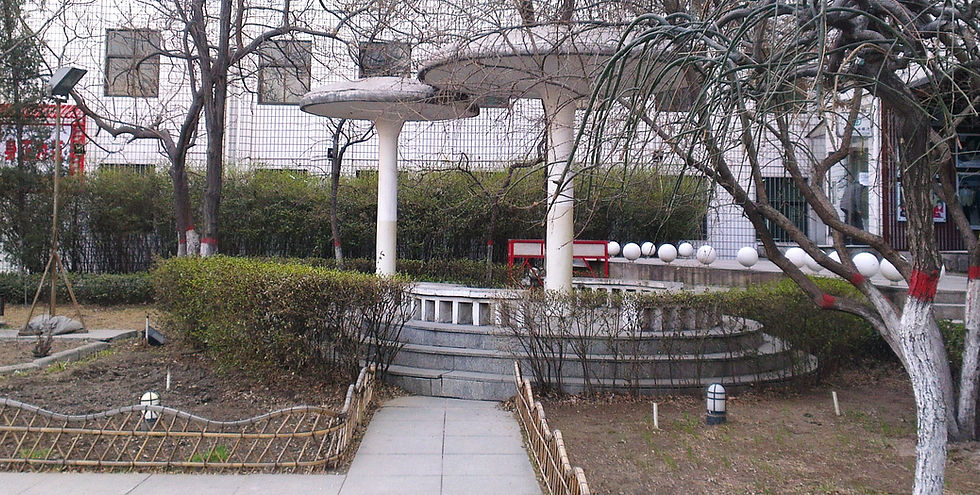

My personal memories of growing up in a densely populated city were not filled by the wonders and beauty of the wider countryside. It was hard to see no majestic trees, lush green grasslands, babbling brooks or cascading waterfalls. The only nature that was accessible to me was those existing in the humblest of forms that adapted to and sought to survive in an asphalt jungle.
In this urban world I was fascinated by millepedes burrowing under abandoned bricks, a gecko preying on dancing moths from a crumbling old machine factory wall, snails winding their way over green moss under a dismembered old tractor or spiders entombing a trapped wasp that had unfortunately buzzed through its web. I observed birds, invertebrates, fungi and plants establishing themselves in small pockets between the concrete, out of sight of humans and their intervention. Each organism utilised its new found space effectively, making the most of available resources. A crack in crumbling brickwork, a discarded flowerpot beneath a rusting wheelbarrow, rotting earth covered by discarded plastic sheets, all hosting various forms of life, visible or concealed, active or dormant, noisy or silent. When even the smallest of organisms takes residence, it forms connections with others, transforming the neglected urban space into a vibrant and new living environment that compliments the starkness of the surrounding asphalt barriers.


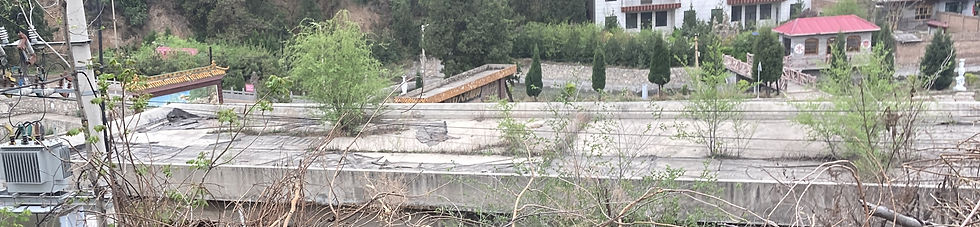

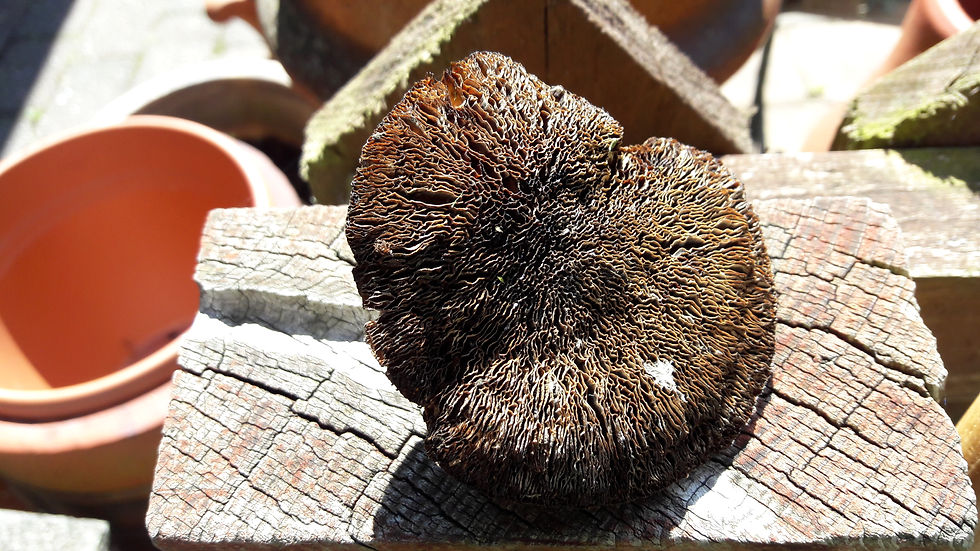


The urban environment appeared to me not merely as a site of beauty and poetry, but as a narrative of survival, enriched with diverse forms of alternative wisdom. Nature adopted shapes and forms influenced by what humans had abandoned. It became a miniature habitat supporting numerous micro-organisms and communities. It transformed the wasteland through new colours, textures, sounds and smells, creating a new ecosystem in parallel with ours.
I am captivated and fascinated by these microhabitats and in my new ceramic works have sought to depict and reflect on them. My aim with this new series of forms is to preserve and celebrate these micro-environments and the dynamics of their inhabitants by creating small ceramic objects, designed to be held and explored by those with curious hands and minds.
My process for making each new piece was to construct the ceramic form without any preconceived idea of how I would illustrate it or what might inhabit this new environment. Each work was initially created as its own unique miniature urban environment, small enough to sit within one's hand. I then took great pleasure in fiddling and observing the piece in my hand to better understand what may live there and how I would illustrate it.
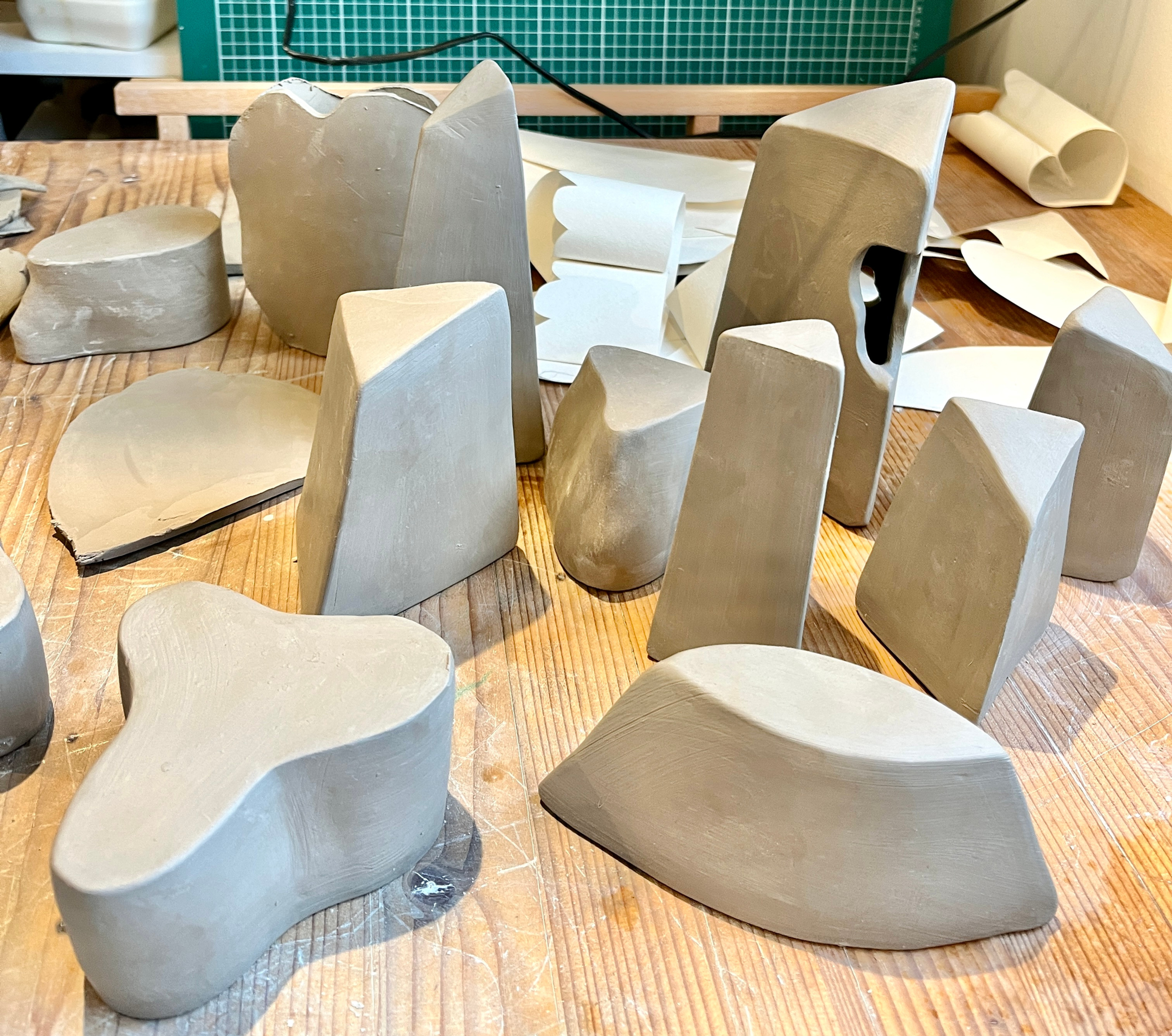
Though I spend a fair amount of time observing and studying my photographs and drawings, I rarely rely solely on these for the finished illustration. Instead, I illustrated each ceramic form through a stream of consciousness, like a spreading vine discovering unexpected new directions as it navigates and climbs the undulations and crevices of a wall.


Once I had decided what creature or part of the natural world inhabited this new form, I then let my imagination wonder to create a unique environment, which occasionally transgressed from the real into the surreal. Whilst some elements were intentionally modified to evoke a more fictional and abstract quality, others retained a subtle sense of realism. This is always my favourite part of the creative process where I introduce a quirky atmosphere or aspect to each piece, balancing my imagination with the familiar and the real.
Finally, the finished ceramic forms are transformed into new micro environments that may resemble the edge of a brick wall, perhaps serving as a habitat for geckos, while others evoke the image of a small puddle where migrating toads may rest. They are miniature spaces of my imagination, as well as a vessel to capture the fragile patches of nature that exist in the shadows of our urban environments.
Comments